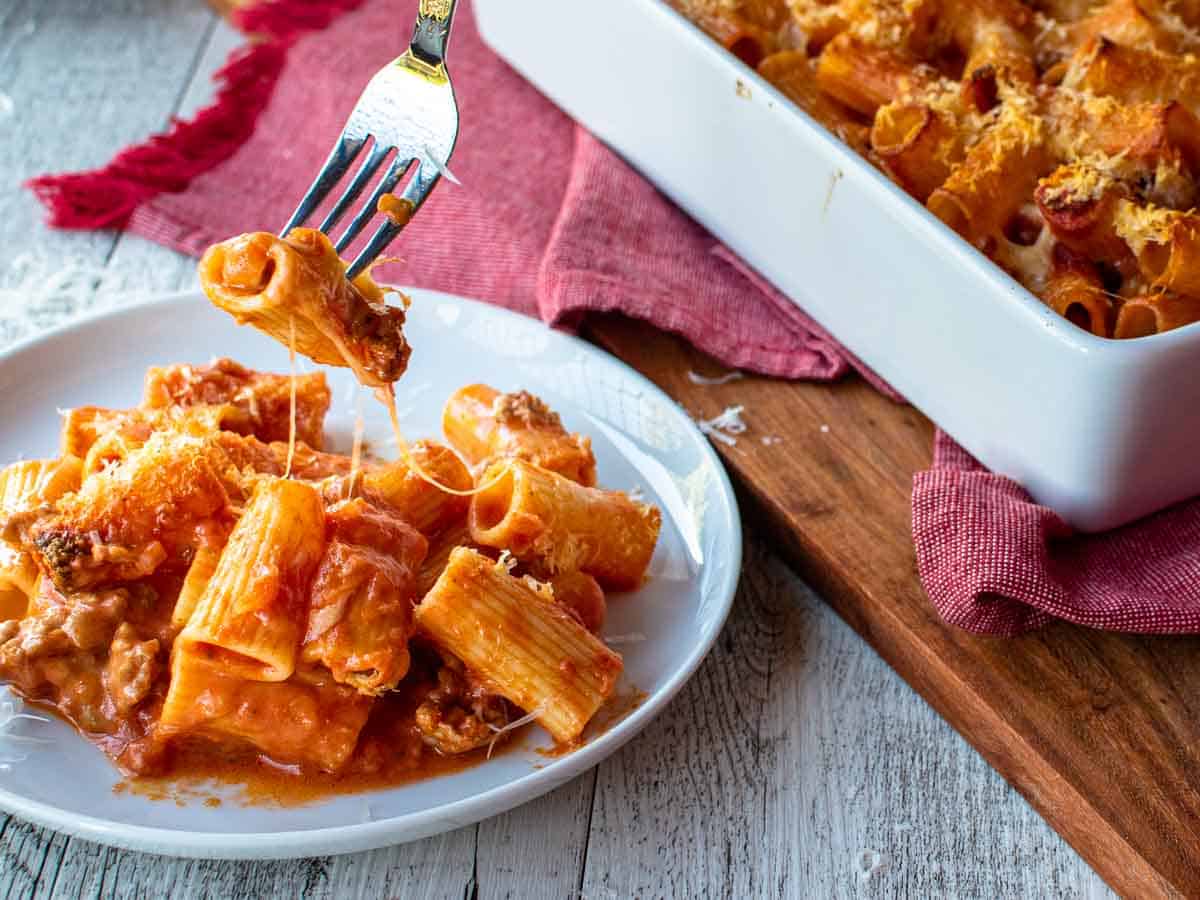
What Exactly is Pasta al Forno? Decoding Italy's Beloved Baked Pasta
In the vast pantheon of Italian cuisine, few dishes evoke the warmth and comfort of home quite like pasta al forno. Literally translating to "pasta from the oven," this beloved creation is a hearty, deeply satisfying baked pasta dish that graces tables across Italy, from festive holiday gatherings to simple, soul-warming weeknight dinners. While its elegant cousin lasagna builds layers, pasta al forno typically involves mixing perfectly cooked short pasta with a rich, savory sauce and an abundance of cheese, then baking it until bubbling, golden, and irresistible.
For many, especially those who grew up in Italian-American households, pasta al forno is synonymous with cherished childhood memories, akin to the comforting embrace of a Sunday sauce or a bowl of pasta e fagioli. The magic lies in the transformation that occurs in the oven: the pasta edges crisp up beautifully, the sauce deepens in flavor, and the cheese melts into a luxurious, stretchy blanket, creating a texture symphony that speaks directly to the soul.
The Core Elements: Crafting Your Perfect Pasta al Forno
At its heart, pasta al forno is a testament to simple, quality ingredients coming together to create something extraordinary. While regional variations abound, the fundamental components remain consistent:
Pasta Choices: The Foundation of Your Bake
The choice of pasta is crucial for a successful baked dish. You need shapes that can stand up to the oven's heat without becoming mushy. Rigatoni is a perennial favorite, its sturdy, ribbed tubes perfect for capturing and holding rich sauces. Other excellent choices include tubular varieties like ziti or penne, or even shell shapes like conchiglie. A unique regional twist comes from Sicily, where anelletti al forno uses small, ring-shaped pasta, creating a truly distinctive texture. The golden rule for any baked pasta? Cook it a few minutes less than al dente; it will finish cooking in the oven, ensuring a perfect bite.
The Hearty Sauce: A Symphony of Flavors
The sauce is arguably the soul of your pasta al forno. A robust meat sauce, often referred to as a Bolognese or ragù, is a classic choice. This typically involves a savory blend of ground beef and pork, slow-simmered with crushed or whole canned tomatoes, aromatic onions, garlic, and sometimes a splash of dry white wine to add depth and acidity. While traditional, the meat component is highly adaptable; you can opt for Italian hot or sweet sausage, ground turkey, or even chicken. For a richer, creamier profile, especially popular in central Italy, a velvety béchamel sauce can be incorporated alongside or in place of a tomato-based ragù, adding a layer of subtle sweetness and unparalleled silkiness.
Cheesy Perfection: The Melty, Golden Crown
No pasta al forno is complete without generous amounts of cheese, providing that iconic gooey, stretchy texture and savory crust. Block mozzarella is preferred for its superior melting qualities, creating luscious pockets of creamy goodness throughout the dish. For a sharper, saltier counterpoint, grated Pecorino Romano or Parmigiano-Reggiano are often mixed in or sprinkled on top. Some recipes, particularly in the south, might incorporate spoonfuls of creamy ricotta for added moisture and a lighter texture. Furthermore, regional specialities often feature local cheeses like sharp provolone, smoky scamorza, or nutty caciocavallo, each lending its unique character to the finished dish.
A Journey Through Italy: Regional Pasta al Forno Variations
The beauty of pasta al forno lies in its adaptability, reflecting the diverse culinary landscapes of Italy. Each region, sometimes even each family, has its own cherished rendition, making it a truly living and evolving tradition.
Southern Italy: Richness and Celebration
In the sun-drenched regions of Southern Italy, such as Sicily and Naples, pasta al forno takes on a particularly elaborate and celebratory character. These versions are often characterized by their richness and the inclusion of unexpected, delightful ingredients. It's common to find hard-boiled eggs sliced and layered within the pasta, or tiny, fried meatballs (polpettine) tucked among the rigatoni or ziti. Local, robust cheeses like provolone or caciocavallo are frequently used, contributing a distinctive, tangy flavor. Sicily's famous anelletti al forno is a prime example, a festive dish often made for special occasions, featuring its characteristic ring-shaped pasta baked with a rich ragù, peas, and cheese, often pressed into decorative molds.
Central and Northern Italy: Elegance and Tradition
Moving north, particularly into regions like Emilia-Romagna, the influence of Bologna's renowned culinary traditions becomes evident. While still incredibly rich, these versions often lean into the classic Bolognese sauce, perfected over generations, and frequently feature the elegant addition of béchamel sauce. Here, the focus might be on the exquisite quality of the slow-cooked ragù and the delicate balance it strikes with the creamy béchamel, creating a dish that is both hearty and refined. While less common to find the elaborate additions of hard-boiled eggs or fried meatballs, the commitment to high-quality ingredients and meticulous preparation remains paramount. In some northern areas, vegetarian baked pasta dishes featuring local seasonal vegetables might also be found, showcasing the dish's versatility beyond meat-heavy preparations.
Mastering Your Own Pasta al Forno: Tips for Success
Creating a sublime pasta al forno is a rewarding culinary endeavor. Here are some practical tips to ensure your dish is a resounding success:
- Al Dente is Key: Always cook your pasta a few minutes less than the package directions for al dente. It will continue to cook and absorb flavors in the oven, preventing it from becoming mushy.
- Don't Skimp on Sauce: Ensure your pasta is thoroughly coated with sauce before baking. This prevents dryness and ensures every bite is flavorful. The pasta absorbs a lot of liquid during baking.
- Layering for Perfection: While not as strictly layered as lasagna, arranging some sauce and cheese on the bottom of your baking dish, then mixing most with the pasta, and finally topping with more sauce and cheese, ensures even distribution and a beautiful golden crust.
- Go for Block Cheese: When possible, grate your own mozzarella from a block. It melts much better and tastes fresher than pre-shredded varieties, which often contain anti-caking agents.
- Make Ahead Magic: Pasta al forno is an ideal dish for meal prep or entertaining. You can assemble the entire dish, cover it, and refrigerate it for up to 1-2 days before baking. Just allow it to come to room temperature for about 30 minutes before baking, and you might need to add an extra 10-15 minutes to the baking time. For more on preparing this dish for celebrations, check out our guide on Easy Pasta al Forno: Baked Rigatoni for Comfort & Holidays.
- Rest Before Serving: Let the baked pasta rest for 10-15 minutes after it comes out of the oven. This allows the sauce to set slightly, making it easier to serve and preventing it from falling apart.
- Customization is Encouraged: Don't be afraid to experiment! Add sautéed vegetables like spinach, mushrooms, or bell peppers. Incorporate different cheeses or a blend of meats. Your kitchen is your canvas for this versatile dish. For further inspiration and a deeper dive into the traditional recipe, consult Classic Pasta al Forno: Your Guide to Italian Baked Comfort Food.
Pasta al forno is more than just a recipe; it's a celebration of Italian culinary heritage, a warm hug in a casserole dish, and an invitation to gather and share. Whether you stick to a classic meat sauce with rigatoni or venture into the rich, nuanced regional variations, this baked pasta promises comfort, flavor, and a truly unforgettable dining experience.
