Classic Pasta al Forno: Your Guide to Italian Baked Comfort Food
Few dishes evoke the warmth and heart of Italian home cooking quite like a perfectly baked pasta. Among these cherished culinary traditions,
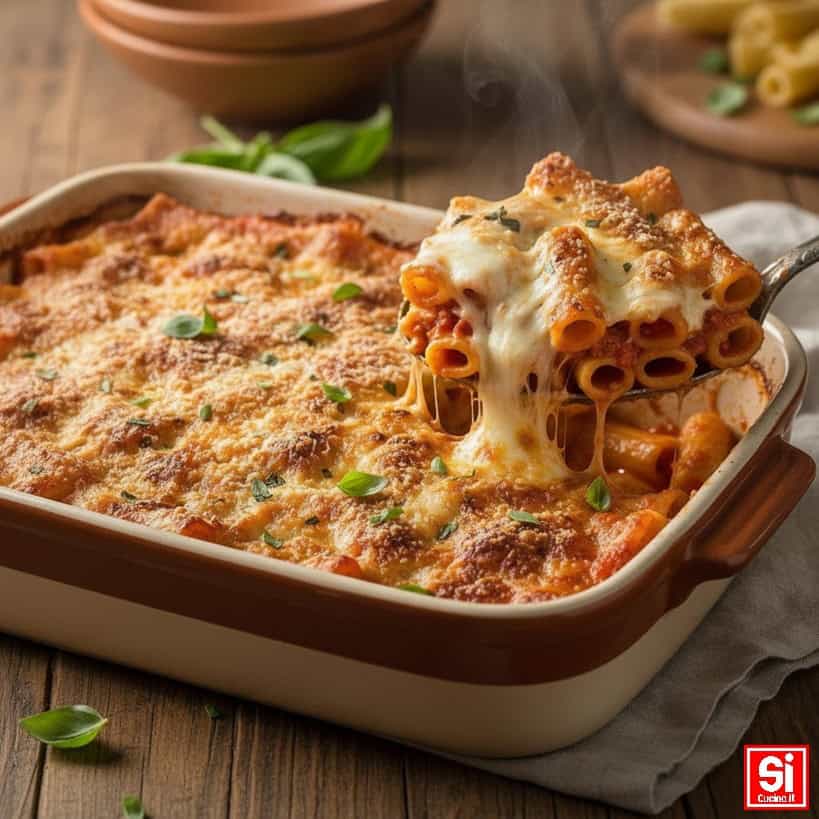
Pasta al Forno stands out as the quintessential Italian baked comfort food. This hearty, bubbling casserole, featuring tender pasta enveloped in a rich meat sauce and blanketed with melted cheese, is more than just a meal; it's an experience. It’s a dish that transcends generations, bringing families together around the table, whether for a cozy weeknight dinner or a festive holiday celebration.
Rooted deeply in Italy's diverse culinary landscape,
Pasta al Forno is a testament to simple, wholesome ingredients transformed into something extraordinary. While its preparation might vary slightly from region to region, the essence remains the same: pure, unadulterated comfort in every forkful. This comprehensive guide will walk you through the art of crafting your own classic
Pasta al Forno, offering insights, tips, and a sprinkle of Italian culinary wisdom to ensure your dish is nothing short of spectacular.
What Makes Pasta al Forno the Ultimate Comfort Dish?
For many, especially those who grew up in Italian-American households, certain dishes are intrinsically linked to cherished memories and a deep sense of home.
Pasta al Forno is undoubtedly one of these culinary cornerstones, right alongside Sunday sauce and meatballs. There's an undeniable magic in the combination of perfectly cooked pasta, a robust, slow-simmered meat sauce, and copious amounts of gooey, melted cheese, all baked together until golden and bubbly.
This dish isn't just physically warming; it's emotionally comforting. It transports you back to simpler times, to family gatherings filled with laughter and love. It’s the kind of meal that speaks to your inner child, offering a culinary hug on a cold evening or a celebratory feast during special occasions like Christmas and Easter. Its ability to feed a crowd makes it a perfect centerpiece for holidays and parties, yet it’s surprisingly straightforward to prepare, proving that true comfort doesn't have to be complicated.
Moreover,
Pasta al Forno offers immense practicality, particularly for busy hosts or during holiday preparations. It’s a dish that can be made ahead of time, assembled and refrigerated, and then simply popped into the oven when you’re ready to serve. This make-ahead convenience solidifies its status as a go-to dish for both everyday enjoyment and grand festivities. For more on how this dish delivers comfort and convenience, check out our guide on
Easy Pasta al Forno: Baked Rigatoni for Comfort & Holidays.
Essential Ingredients for an Authentic Pasta al Forno
The magic of
Pasta al Forno lies in the harmonious blend of its core ingredients, each playing a crucial role in creating that unforgettable taste and texture. While regional variations abound, a classic recipe typically centers around these pillars:
-
The Pasta Base:
While rigatoni is often the star, its sturdy, tubular shape perfectly capturing the rich sauce and resisting overcooking during baking, you can certainly explore other short, sturdy pasta types. Think ziti, penne, or even conchiglie. For a truly unique regional experience, delve into the Sicilian tradition of anelletti al forno, which utilizes charming ring-shaped pasta. Pro Tip: Always cook your pasta 2-3 minutes less than al dente before baking. It will finish cooking in the oven, preventing a mushy texture.
-
The Hearty Meat Sauce:
A rich, flavorful meat sauce is non-negotiable. A combination of ground beef and ground pork offers the best depth and texture, with the pork adding a lovely succulence. However, feel free to customize:
- Ground Meat Alternatives: Italian hot or sweet sausage can elevate the flavor profile with its inherent seasoning. For a leaner option, ground turkey or chicken can also work, though they might require a bit more seasoning to achieve robust flavor.
- Aromatics: Diced onion, minced garlic, and a pinch of red pepper flakes lay the foundation for a truly aromatic sauce.
- Tomatoes: High-quality canned whole peeled tomatoes (crushed by hand for texture) or crushed tomatoes are essential. The better the tomatoes, the better your sauce.
- Wine (Optional but Recommended): A dry white wine, such as Sauvignon Blanc, adds a wonderful layer of acidity and complexity to the meat sauce as it reduces. If you prefer to omit it, the sauce will still be delicious.
-
The Irresistible Cheeses:
Cheese is what gives Pasta al Forno its signature bubbly, golden crust and creamy interior.
- Mozzarella: Block mozzarella is superior to pre-shredded varieties as it melts more smoothly and beautifully. Shred it yourself for the best results.
- Pecorino Romano: This hard, salty sheep’s milk cheese adds a sharp, tangy counterpoint that balances the richness of the meat and mozzarella.
- Optional Additions: For an even richer, creamier texture, some recipes incorporate ricotta cheese, either mixed with the pasta or layered into the dish. Cheeses like smoked scamorza or sharp caciocavallo can introduce intriguing smoky or tangy notes.
Crafting Your Classic Pasta al Forno: A Step-by-Step Guide
Creating a masterful
Pasta al Forno is a straightforward, enjoyable process that rewards you with incredible flavor. Follow these steps for a dish that will impress and satisfy:
-
Build Your Flavor Foundation (The Sauce): Begin by sautéing diced onion in olive oil in a large, heavy-bottomed pot or Dutch oven over medium heat until translucent and sweet. Introduce your ground beef and pork combination, breaking it up with a meat masher or spoon as it browns thoroughly. This step is crucial for developing deep, savory flavors.
-
Aromatic Boost: Add minced garlic and a pinch of red pepper flakes (if desired) and cook for another minute until fragrant. Deglaze the pan with dry white wine, turning the heat to high and allowing it to reduce by half to concentrate its vibrant acidity and scrape up any flavorful browned bits from the bottom of the pan.
-
Simmer to Perfection: Turn the heat down to low, then pour in your crushed or whole peeled tomatoes. Bring the sauce to a lively simmer, then reduce the heat even further and let it gently bubble while you prepare the pasta. The longer it simmers, the more the flavors meld and deepen. Taste and season generously with salt and pepper.
-
Pre-Cook the Pasta: In a large pot of boiling, salted water, cook your chosen pasta (rigatoni works beautifully) about 3 minutes less than the package directs for al dente. This ensures it finishes cooking in the oven without becoming mushy. Drain well.
-
The Grand Assembly: In a spacious bowl, combine the drained, undercooked pasta with a substantial portion of your rich meat sauce (reserving about 4 cups for topping), a generous amount of grated Pecorino Romano, and about three-quarters of your shredded mozzarella. Mix thoroughly, ensuring every piece of pasta is coated in the luscious sauce and cheese.
-
Layer and Bake: Transfer the pasta mixture into a large baking dish (a 9x13 inch dish is ideal). Spread evenly, then top with the remaining meat sauce and a final generous layer of mozzarella. For an extra golden crust, a final sprinkle of Pecorino Romano on top is a delightful touch. Bake in a preheated oven (typically 375°F or 190°C) for 25-35 minutes, or until the cheese is beautifully melted, bubbly, and golden brown, and the sauce is simmering at the edges.
Elevating Your Pasta al Forno: Tips, Tricks, and Regional Twists
While the classic
Pasta al Forno recipe is a masterpiece in itself, there are countless ways to personalize and elevate this beloved dish, drawing inspiration from Italy’s diverse culinary landscape.
Regional Flair and Creative Additions:
- Southern Italian Traditions: In regions like Sicily or Calabria, it's not uncommon to find delightful additions such as diced hard-boiled eggs, small fried meatballs, or even cured meats like provolone, adding extra layers of flavor and texture. The Sicilian anelletti al forno, for instance, often incorporates peas and ham.
- Creamy Béchamel: A popular variation, particularly in central and northern Italy, involves incorporating a rich béchamel sauce alongside or instead of mozzarella. This adds an incredible creaminess and silkiness to the dish, making it even more decadent.
- Cheese Explorations: Don't limit yourself to just mozzarella and Pecorino. Experiment with smoked scamorza, tangy caciocavallo, or even a dollop of fresh ricotta mixed into the pasta for a lighter, creamier element.
- Vegetable Boost: While traditionally meat-centric, you can easily add finely diced carrots, celery, or even bell peppers to your sauce during the sautéing stage for extra nutrients and flavor depth.
Make-Ahead Magic:
One of the greatest advantages of
Pasta al Forno is its make-ahead potential. You can assemble the entire dish a day in advance, cover it tightly with foil, and refrigerate. When ready to bake, simply allow it to come closer to room temperature for about 30 minutes before popping it into the oven. You might need to add an extra 10-15 minutes to the baking time to ensure it's heated through. This makes it an ideal dish for entertaining, as it minimizes last-minute fuss.
Serving Suggestions and Expert Tips:
- Rest Before Serving: After removing your Pasta al Forno from the oven, allow it to rest for 10-15 minutes. This allows the cheeses to set slightly, making for cleaner slices and preventing a messy presentation.
- Perfect Pairings: Serve your baked pasta with a simple green salad dressed with a light vinaigrette to cut through the richness. A basket of crusty Italian bread is also a must for soaking up any leftover sauce.
- Batch Cooking: This recipe scales beautifully. Consider making a double batch and freezing one for another day. Portion it into freezer-safe containers for convenient future meals.
For a deeper dive into how regional nuances shape this beloved dish, explore
Pasta al Forno Explained: Regional Twists on Italy's Baked Pasta.
From its humble origins as a comforting family meal to its role as a festive centerpiece,
Pasta al Forno remains a timeless testament to the beauty of Italian cooking. It's more than just baked pasta; it's a bowl of warmth, nostalgia, and pure culinary satisfaction. We encourage you to embrace the tradition, personalize it to your taste, and create your own unforgettable moments around this truly classic Italian dish. Buon appetito!